
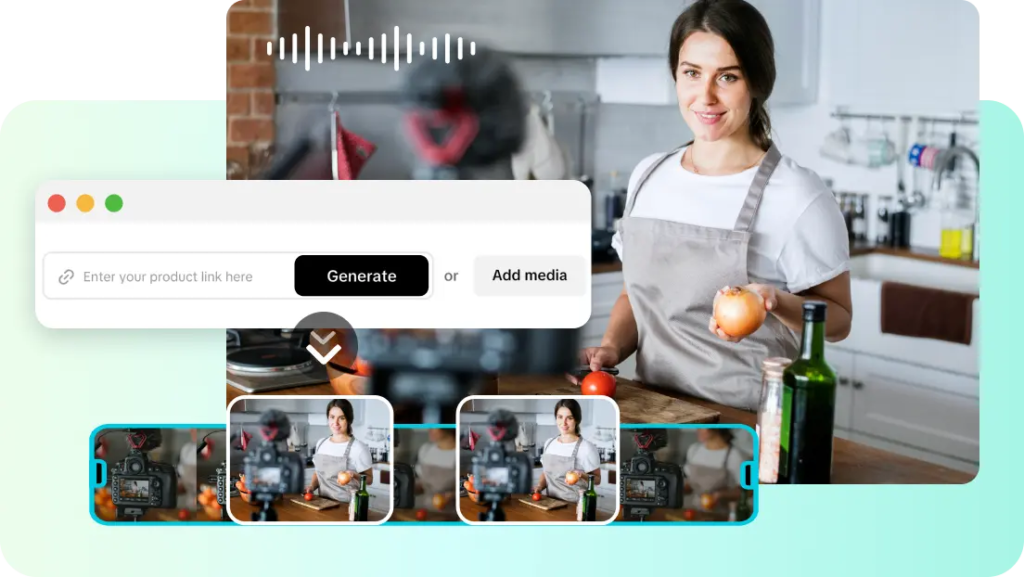
The AI can be given more visual cues in the form of reference images before the video creation process. They are more precise in describing appearance, framing, mood, and continuity of scenes. With Pippit’s advanced creative workflow, image and video references can be used so that the scenes and works of art can be kept uniform. Some of the following tips are included to help you select references, develop videos, and avoid common mistakes that can lead to suboptimal creative results.
Understanding the Role of Reference Images in AI Video Creation
Visual context is provided by written descriptions, as well as images. AI analyzes colors, composition, textures, lighting, subjects, and stylistic patterns to create scenes. Prompt-only generation is dependent upon understanding the text, resulting in a greater range of creativity. Those possibilities are limited by the use of explicit visual examples in reference-guided generation. This process produces more repeatable results and improves the level of scene consistency of the subject. In longer projects, better references hold framing, atmosphere, and design language too. It is a great visual guidance, especially used in advertising, product displays, and stories. Pippit also provides written instructions so that the AI video generator can deliver more results in line with the creative direction.
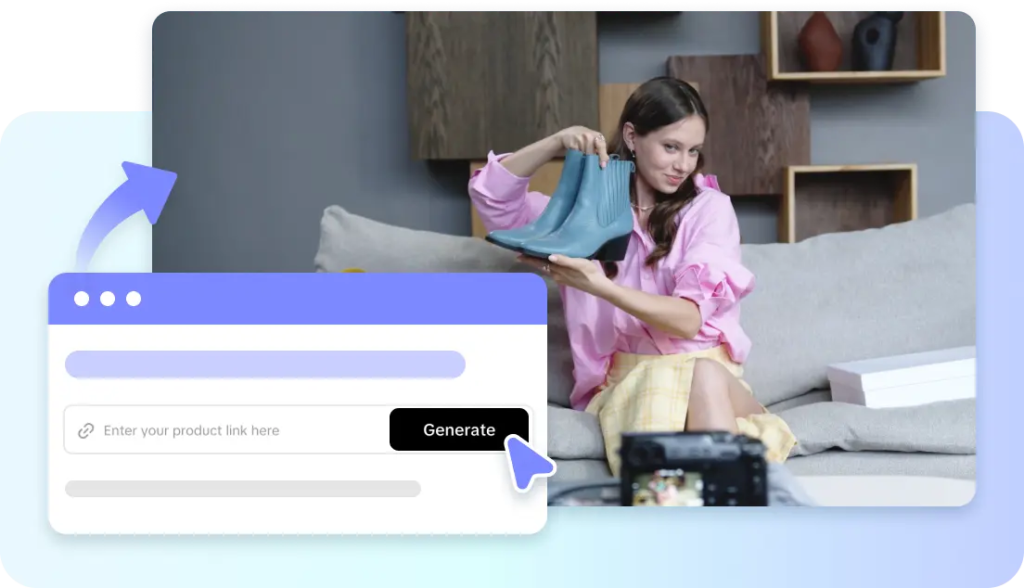
Choosing Effective Reference Materials for Better AI Outputs
The first step towards a successful generation is to start with the careful selection of reference materials according to the project objectives. Choose sharp, well-lit, well-focused, and high-resolution images. Movement ideas, camera movements, pacing, and visual rhythm are also provided in video references. Uploaded content must be of only one artistic style and not multiple styles. Random references can make disjointed compositions and details. Organize files for an easy creative workflow and to prevent unnecessary revisions. Group references for easy access by subject, product, environment, or campaign. This makes their generation more efficient and ensures better creative continuity throughout the production process.
Steps to Shape AI Visuals with Reference Images in Seedance 2.5
Step 1: Start your reference-based video
- Sign up for Pippit using your Google, TikTok, or Facebook account.
- Open the “More” tab from the left menu and select “Video generator”.
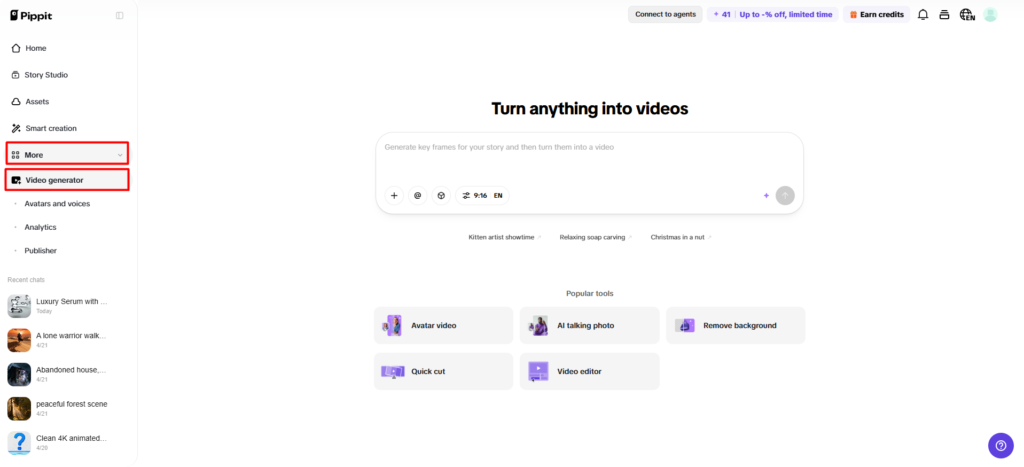
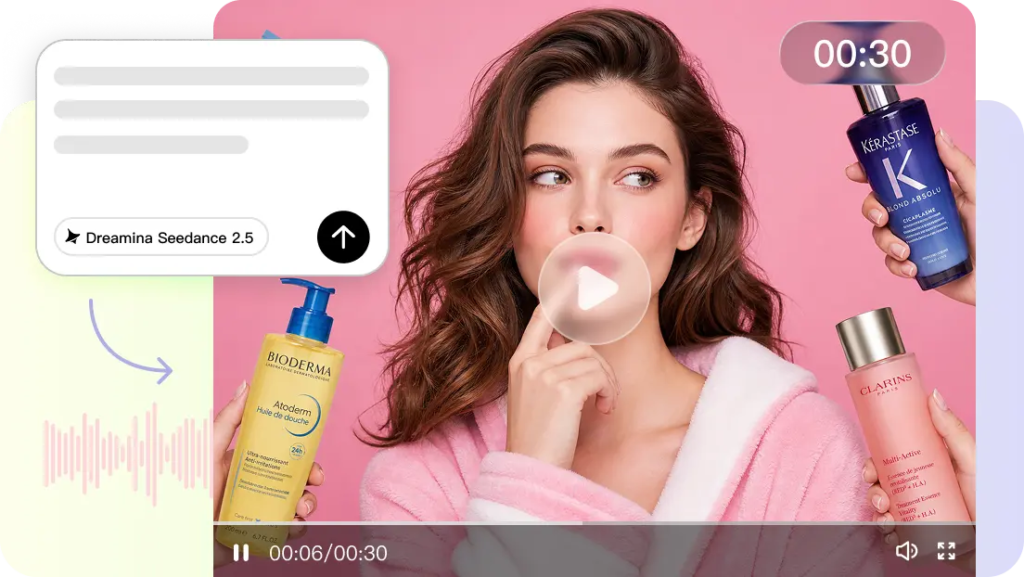
- Choose “Dreamina Seedance 2.5” as your AI model.
- Enter a detailed prompt explaining the scene, style, motion, and visuals.
- Select video length, language, subtitles, and aspect ratio.
- Click “+” to upload reference images or videos from your device, phone, Dropbox, or a link. You can also choose available assets.
- Click “Generate” to begin.
Step 2: Transform images into AI videos
- After clicking “Generate”, Pippit creates a video using your prompt and reference files.
- The AI manages transitions, pacing, captions, avatars, voice, lyrics, and visual enhancements.
- Review the video draft to check how well it follows your references.
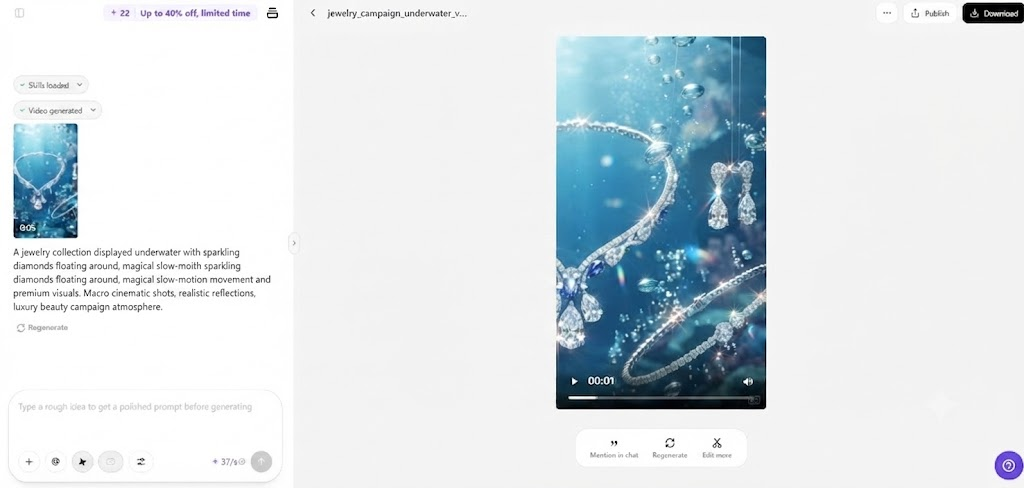
Step 3: Edit and export visuals
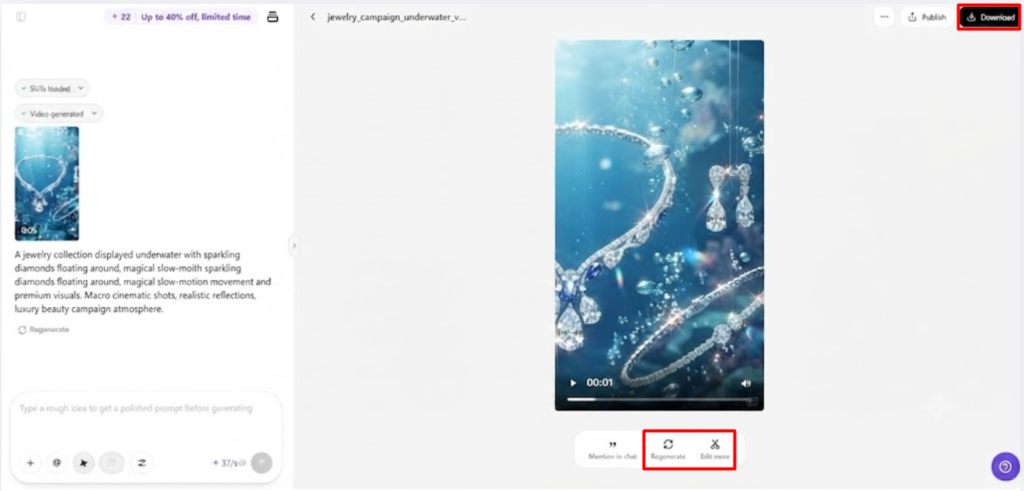
- Click “Download” to save the video, select “Regenerate” for a new version, or use “Edit more” for further edits.
- Customize captions, text, size, color, alignment, filters, and effects.
- Add music, remove backgrounds, and adjust visuals.
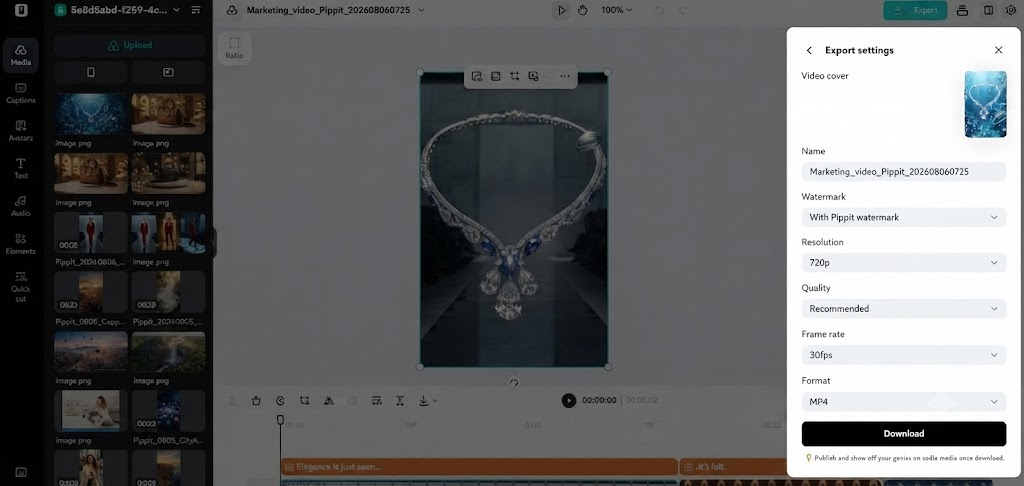
- Click “Export” when finished.
- Select “Publish” to share online or “Download” to save with your preferred format, resolution, frame rate, and quality.
Guiding Different Visual Elements with Reference Images
Besides subject appearance, numerous creative elements in Seedance 2.5 are influenced by assets. Face, props, clothes, and size are more uniform in scenes that are linked together. Packaging, texture, color, brand, and angles of presentation are kept and promoted through the product-referenced promotional videos. The use of composition references will improve framing, balance, positioning of objects, and visual hierarchy. The use of colour sets the tone and provides light and emotional ambiance. The background inspiration generates environments that are believable, which support the main theme naturally. Camera references will influence complete sequences in terms of movement, perspective, focal length, and cinematic style. By combining these visual elements, stronger continuity and a more professional presentation using Pippit’s creative workflow are achieved.
Best Practices for Reference-Based AI Generation
Here are a few tips for making videos with references:
- Choose one creative strategy that has a consistent reference point with visual elements.
- Provide well-lit, in-focus, and detailed photos.
- Pair up references to descriptions of actions and scenes.
- Apply the same visual styles to a sequence of storytelling that are linked.
- Compare drafts generated with uploaded references prior to export.
- Organize and categorize all creative resources before generation for improved project management.
Combining Reference Images with Other Seedance 2.5 Capabilities
Additional creative capabilities further enhance the value of reference images. Timestamp prompts (significant moments in the story) and reference help to connect the dots between the moments visually. Footage extension is a process that extends a sequence without having to re-film it. Once created, the green screen can be replaced to create different campaigns with the same project. Motion simulation based on physics for realistic motion, interaction of objects, and material behaviour across scenes. All of these features add to better creative control and enable longer storylines to be produced, marketing campaigns, promotional content, and visually linked storytelling through various publication platforms.
Common Reference Image Mistakes to Avoid
Although a person may come up with a fantastic idea, there are a couple of common mistakes that reduce the quality of generation. Low-resolution references are not detailed enough to be seen and lead to poor output. Combining a variety of art styles is a blend of confusion to the visual interpretation and loss of consistency. There is incomplete guidance for important creative decisions, which is left to automated interpretation. If there is a difference in the framing between the two scenes, then there will be an imbalance in the composition. Only references with no descriptive prompts limit the context of actions and environments. Balance text and visual materials, making sure they are appropriately selected. This provides a clearer creative direction and helps to minimise rework in the production itself.
Practical Uses of Reference-Guided AI Visual Creation
Reference-guided generation can be used in a variety of professional, creative applications across different industries. Product marketing videos are uniform in presentation, branding, and packaging while running a marketing campaign. Fashion campaigns don’t lose out on fashion details, styling, accessories, and mood; they carry it from one scene to the next. The short-form content series are created in a consistent style by social media creators. Promotional ads are more visually identifiable and can help to reinforce campaign messaging—creative storytelling with stable character appearance, continuity of environment, and cinematic composition. Product or service presentations, too, are important in that they also express products, services and, of course, brand identity in a visual consistency. Pippit’s reference workflow meets these creative demands and optimises the production process in different marketing formats.
Conclusion
Using reference images helps give creative direction to creating AI-generated videos with a consistent visual style. Appearance, composition, mood and continuity are supported with well-chosen assets in linked scenes. Detailed prompts are helpful in providing context details and are great to use with uploaded visual prompts—further editing of captions, colors, effects, backgrounds, and presentation before exporting. When marketing, storytelling, promotional, and brand-building activities are carefully planned and organized, and the creative process is consistent, the visual outcomes are more polished and professional-looking.